What Adaptive AI Means — Systems That Improve Through Use, Not Just Static Deployments
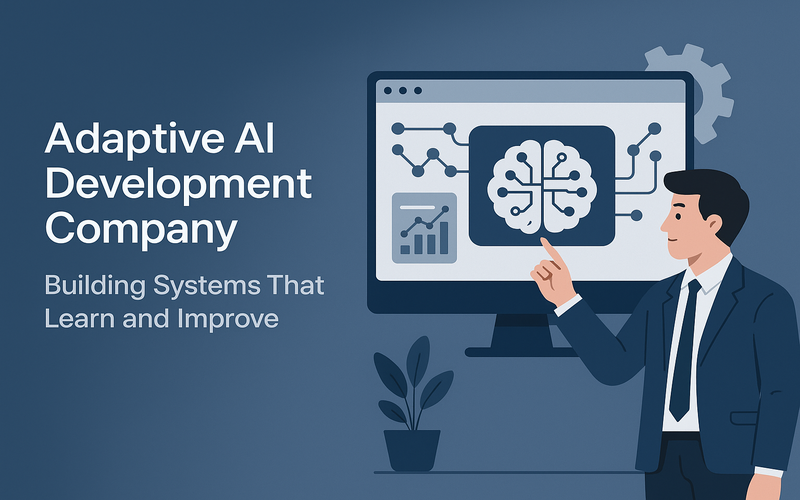
Adaptive AI systems are the kind that keep getting better by learning from new data and user actions after you set them up. Think of them as AI that doesn’t just sit around doing the same thing but keeps up with the times. Unlike static AI models, adaptive ones can adjust themselves, sharpen their guesses, or change their decision-making rules as they get more input.
For anyone picking an adaptive AI development company, this is a crucial difference. Static AI only tackles problems it knows from training time, making it less useful when things change or new trends pop up. Adaptive systems get around this by learning in real-time or close to it, so they stay accurate and relevant.
Take iTechNotion’s work with a retail client looking for smart pricing. Rather than a one-size-fits-all pricing model, iTechNotion crafted a learning AI system that kept an eye on sales, competitor pricing, and stock changes daily. This system kept fine-tuning its recommendations and upped revenue by 15% in just three months. It's a great reminder of how adaptive systems add lasting value beyond their starting line.
The Technical Foundations — Reinforcement Learning, Feedback Loops, Continuous Training
Reinforcement Learning as a Core Technique
Many adaptive AI systems rely on reinforcement learning (RL), where the AI kicks off by trying actions and getting feedback like rewards or penalties. This way, it's not all about the past data but about maximizing long-term rewards.
Feedback Loops That Enable Constant Improvement
Feedback loops mean the system's outputs influence upcoming inputs, creating a cycle of continuous learning. In adaptive AI, data from user actions or environment changes feed back into keeping the model sharp and relevant.
Continuous Training to Bridge Data Shifts
Continuous training updates AI models with new data regularly, instead of starting from scratch each time. It’s important for managing issues like concept drift, where data shifts over time, so static models might lose their edge.
Together, these technical parts mold self-improving AI that adapts with finesse and precision, perfect for critical environments or services facing users.
Why Most AI Deployments Are Not Truly Adaptive — And Why That Limits Their Value
Many AI projects today stick with models trained once and then left alone, running their course without updates. They might perform okay at first, but they risk losing their touch as things evolve. This is a common oversight among decision-makers checking out AI vendors.
Some reasons why adaptive AI isn't yet mainstream include:
- Complexity: Getting feedback and managing model drift needs advanced skills beyond basic AI development.
- Risk Management: Adaptive systems may be unpredictable if not properly managed.
- Resource Intensity: Continuous learning needs ongoing time, computer power, and human effort.
- Tooling Limitations: Not many tools support the entire cycle of adaptive AI workflows.
Without adaptability, businesses miss out on long-term perks like better personalization, efficiency, and staying power. A savvy adaptive AI development company tackles these issues head-on, ensuring their systems grow responsibly.
Use Cases Where Adaptive AI Creates Compounding Business Value
Adaptive AI shakes things up in industries by learning on the go in complex settings, offering standout advantages:
Retail and E-commerce
Adjusting prices dynamically, forecasting inventory, and giving personalized recommendations that respond to customer behavior or shifts in trends.
Financial Services
Staying a step ahead in fraud detection as threats evolve, adaptive AI adjusts risk assessments with fresh market data and user behavior insights to lower false alarms and cuts losses.
Healthcare
AI-driven diagnostics get better with new clinical data, supporting precision medicine and lowering error rates.
Industrial IoT and Manufacturing
Predictive maintenance improves with sensor feedback, foreseeing equipment problems sooner and saving on downtime and expenses. Such systems catch changes in machine operations that static models overlook.
These cases highlight how self-improving AI brings increasing value as it continuously adjusts to new situations, unlike static solutions.
The Development Complexity — What Building Adaptive Systems Actually Requires
Building adaptive AI isn't just about cool algorithms. It's about bringing together data, engineering, and governance to keep things running safely and correctly.
Integrating Robust Feedback Mechanisms
Developers set up systems to gather quality feedback from users, logs, or sensors, needing serious data engineering for swift updates.
Model Monitoring and Validation
Adaptive AI needs regular check-ups to notice changes or issues, with validation systems ensuring every update improves or at least doesn’t hurt performance.
Ensuring Model Stability and Avoiding Catastrophic Forgetting
These systems should learn new stuff without forgetting old valuable info, using techniques like memory replay to keep balance.
Cross-functional Collaboration
Getting data pros, engineers, experts, and stakeholders on the same page to oversee and manage risks is crucial.
This web of complexity means only teams with experience, like an adaptive AI development company, can reliably offer truly adaptive AI solutions meeting high standards.
Governance and Control in Adaptive AI — How to Maintain Oversight of Learning Systems
Adaptive AI’s cornerstone is good governance, ensuring systems behave as expected and avoid unintended or biased results.
Set Clear Boundaries and Update Policies
Define what kinds of adaptability are okay. For example, restrict updates during critical times or avoid risky model changes.
Implement Audit Trails and Transparency
Keep logs of all changes, training data versions, and decisions so that every part of the system is accountable and can be traced back.
Regular Human-in-the-Loop Oversight
Have human experts review and validate essential updates or results, combining human insight with machine learning.
Bias Monitoring and Fairness Checks
Keep watching for emerging biases from new data and correct AI formulas early to ensure fairness.
Governance systems are crucial for building trust, especially in sensitive fields with adaptive AI deployments.
How iTechNotion Builds Adaptive AI Systems With Appropriate Feedback Mechanisms
iTechNotion leverages their expertise to craft unique adaptive AI solutions that naturally include strong feedback systems and governance. They start with a thorough investigation to nail down business objectives, data resources, and risks.
For instance, a client developed a self-improving recommendation engine for their media platform. iTechNotion engineered a feedback process from user interactions in real time, driving continuous training cycles and improving engagement metrics by 20% within six months.
Key steps iTechNotion follows include:
- Designing systems flexible enough to allow updates without interrupting service.
- Embedding monitoring tools that alert and trigger human intervention when oddities arise.
- Building retraining pipelines with checks to minimize model errors.
- Collaboration across data science, legal, and operation teams to balance innovation and control.
This expert-driven method ensures adaptive AI delivers lasting benefits without losing trust.
Getting Started — What Information to Prepare
If you’re looking to hire an adaptive AI development company, it’s good to have some key information ready to start things off right.
Define Your Business Objectives
Spell out clearly what you want from adaptive AI—be it better customer interactions, streamlining decisions, cutting costs, or something else.
Identify Relevant Data Sources
Pinpoint data logs, user activity, sensor readings, or any useful external data you have or need.
Understand Your Operational Environment
Map out workflows, system boundaries, and any changes that could affect AI performance down the line.
Consider Governance Requirements
Outline regulatory frameworks, privacy rules, and risk comfort levels that fit your industry and use case.
Getting this groundwork together helps your AI partner offer tailored advice, ensuring a smooth start to deploying AI systems that adapt.
Conclusion
Aiming for an adaptive AI development company means going for systems that keep learning on the job. Unlike static AI setups, these solutions react to changing needs and environments, unlocking ongoing value for different industries.
While adaptive AI demands solid engineering, good governance, and clear aims, firms like iTechNotion offer the expertise and structures to deliver safe, dependable AI systems that learn.
If you’re ready to overhaul your AI strategy with dynamic, self-improving systems, start by assessing your data, goals, and governance needs. Contact iTechNotion to see how adaptive AI can grow along with your business, providing a lasting competitive edge.
Reach out to iTechNotion today to start building AI systems that truly adapt and continue delivering value.