Interfaces that feel obvious—not obviously designed.
Research, wireframes, visual systems, usability testing. The four-phase design discipline behind every product we ship. Design is how it works, not how it looks.
- 01
Research before pixels
Interviews. Competitive teardowns. Workflow shadowing. We design for users you can name, not personas you imagined.
- 02
Systems, not screens
Component libraries, tokens, type scale, motion rules. So your fifty future screens stay coherent without daily design oversight.
- 03
Usability is a number
Five-user tests. Recorded sessions. Heatmaps when it matters. Every shipped design has measured task-completion data.
Research & discovery
Interviews, competitive analysis, workflow shadowing. The work that prevents redesign-six-months-later.
We start by understanding the user you actually have, not the one in your pitch deck. Five to twelve interviews, recorded, transcribed.
Competitive teardowns: what your users currently do and where they stop. Workflow shadowing: what they do *around* your product.
- 01User interviews (5–12 sessions)
- 02Competitive analysis
- 03Workflow shadowing
- 04Persona sketches (low-fi)
- 05Jobs-to-be-done framing
- 06Quant data review (if you have it)
Wireframes & IA
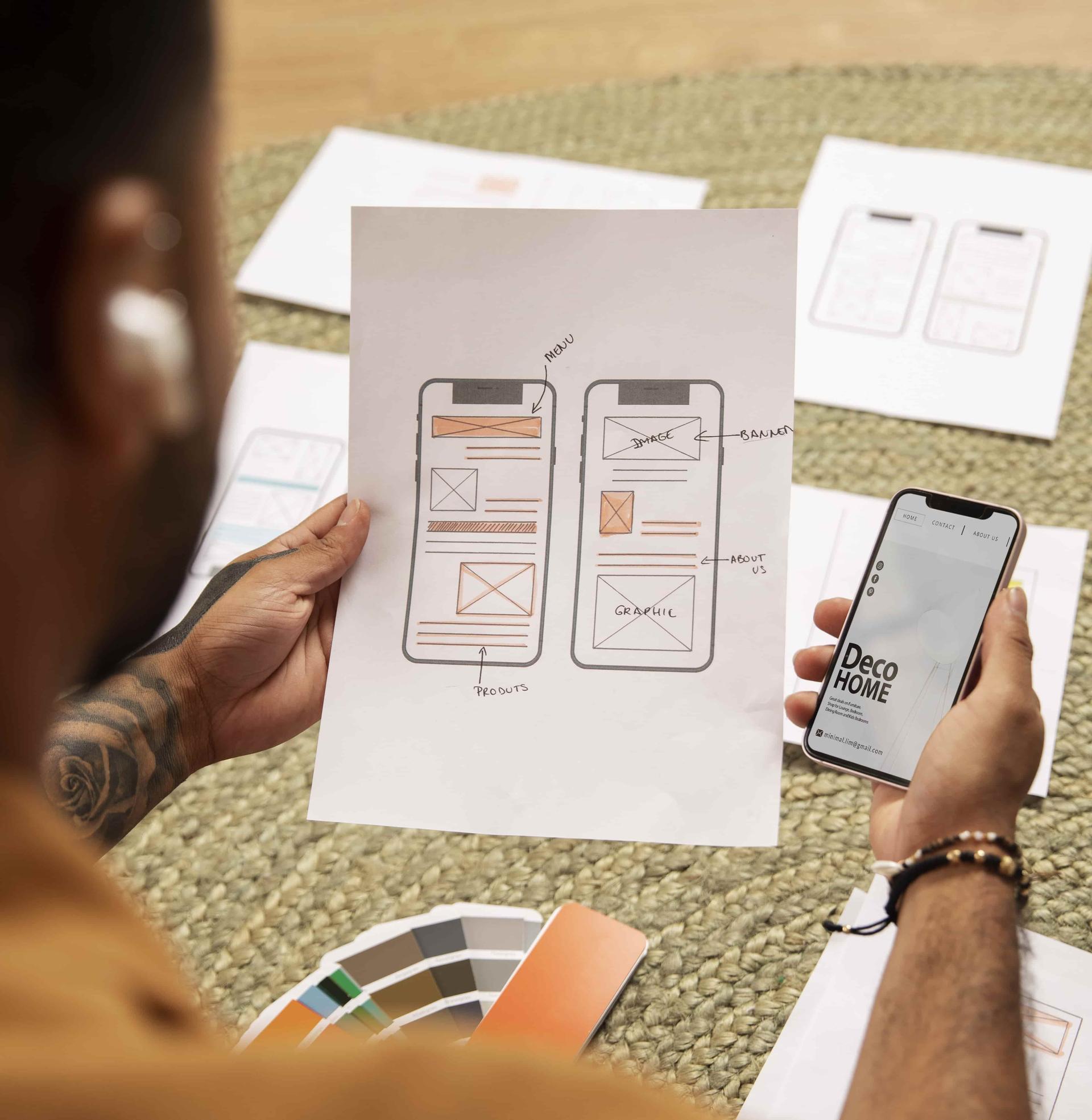
Low-fidelity, fast iterations. Decide what the product *is* before deciding what it looks like.
Wireframes in Figma, deliberately ugly. The point is to argue about flow, not gradient choices.
Information architecture, navigation patterns, content hierarchy — locked in before any visual work starts.
- 01Information architecture
- 02User flow diagrams
- 03Low-fidelity wireframes
- 04Navigation patterns
- 05Content hierarchy
- 06Edge case mapping
Visual design
Type, colour, motion, components. The design system gets built here — not the screens.
We build the design system first — tokens, scale, components — then assemble screens from the system. Result: fifty screens that look like one product.
Light + dark themes baked in from day one. Accessibility checks (contrast, font sizing) are pre-launch criteria, not afterthoughts.
- 01Design tokens & themes
- 02Component library
- 03Type & colour scales
- 04Iconography
- 05Motion guidelines
- 06Light + dark mode
- 07WCAG contrast checks
Usability testing
Real users, recorded sessions, measurable task completion. The number that tells you the design works.
Five-user tests catch 85% of usability issues. We run them at the prototype stage — not after launch.
Task-completion rate, time-on-task, error rate. We hand you the numbers and the recordings, then we fix what we found.
- 01Five-user usability tests
- 02Recorded session playback
- 03Task completion metrics
- 04Heatmaps where useful
- 05Design iteration cycles
- 06Handoff specs to engineering
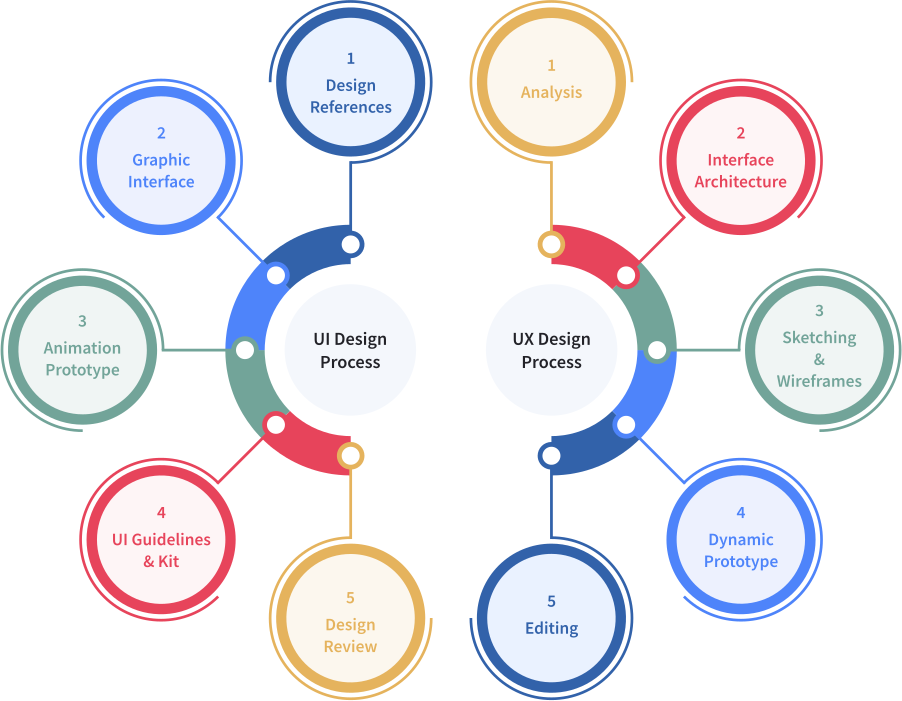
Four phases from brief to handoff.
Research
Interviews, competitive review, JTBD framing.
Wireframes
Low-fi flow + IA. We argue flow, not pixels.
Visual
Design system + screens assembled from the system.
Testing
Five-user tests. Iterate. Hand off to engineering.
Reasons design clients cite back to us.
- 01Discipline
Four-phase rigour. Nobody skips research because the deadline is tight.
- 02Systems
Components and tokens delivered, not just screens. Your next designer can extend.
- 03Tooling
Figma fluent. Variables, auto-layout, prototypes. Handoff specs that engineers can build from.
- 04Accessibility
WCAG AA contrast and font sizing baked in. Not a retrofit.
- 05Brand
We respect your brand if you have one. We build one with you if you don't.
- 06Iteration
Three rounds of revision per phase, included. Most projects use one.
- 07Handoff
Spec sheets, component docs, motion videos. Engineering doesn't reverse-engineer your designs.
Design that holds up in regulated industries.
 Media
Media Fintech
 Bank
Bank Startup
 Sport
Sport Agedcare
 Healthcare
 E-commerce
 Travel
 Education
 Fitness
 Real estate
 Pharmaceutical
 Retail
 Logistic
 Industry 4.0
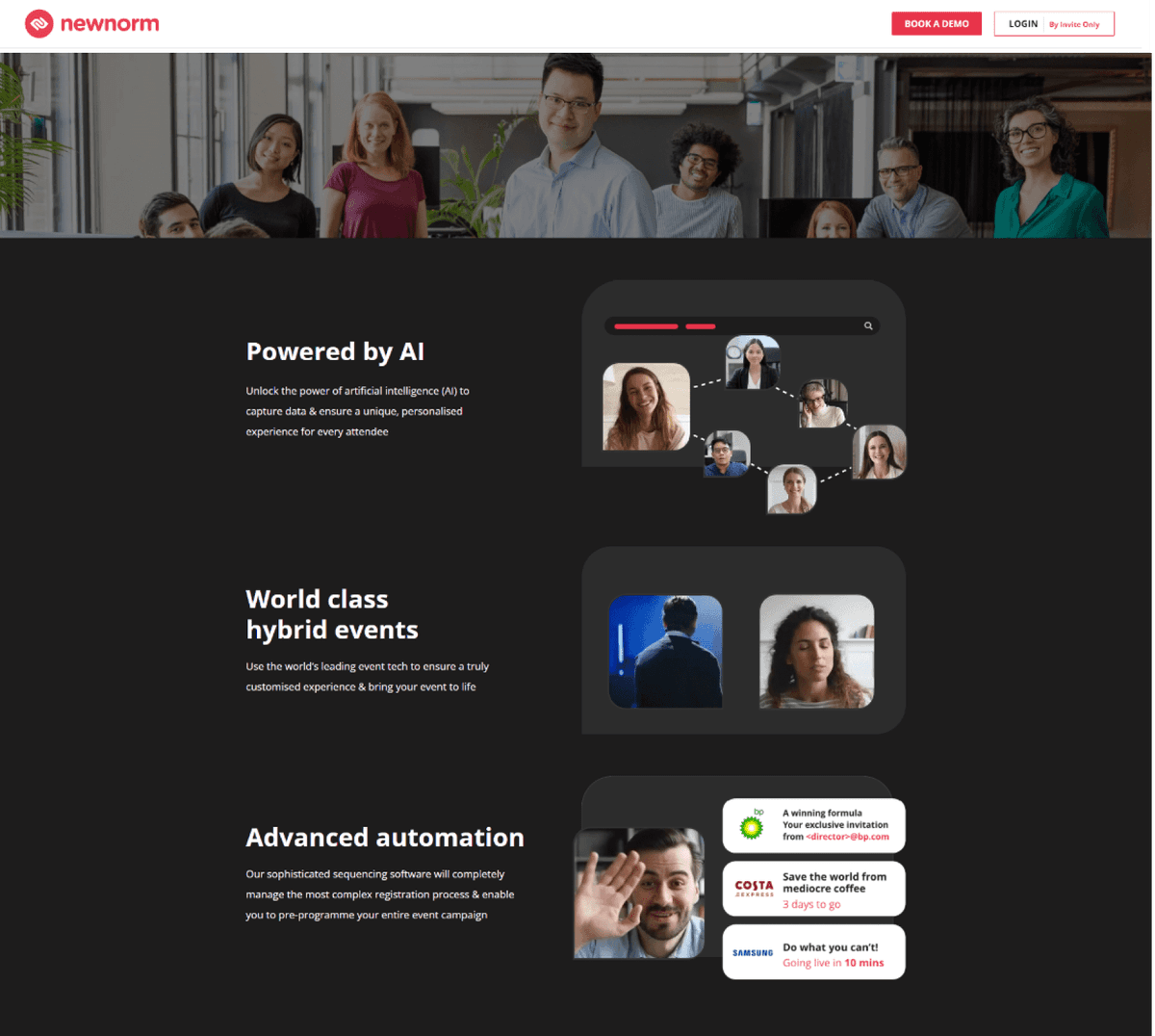
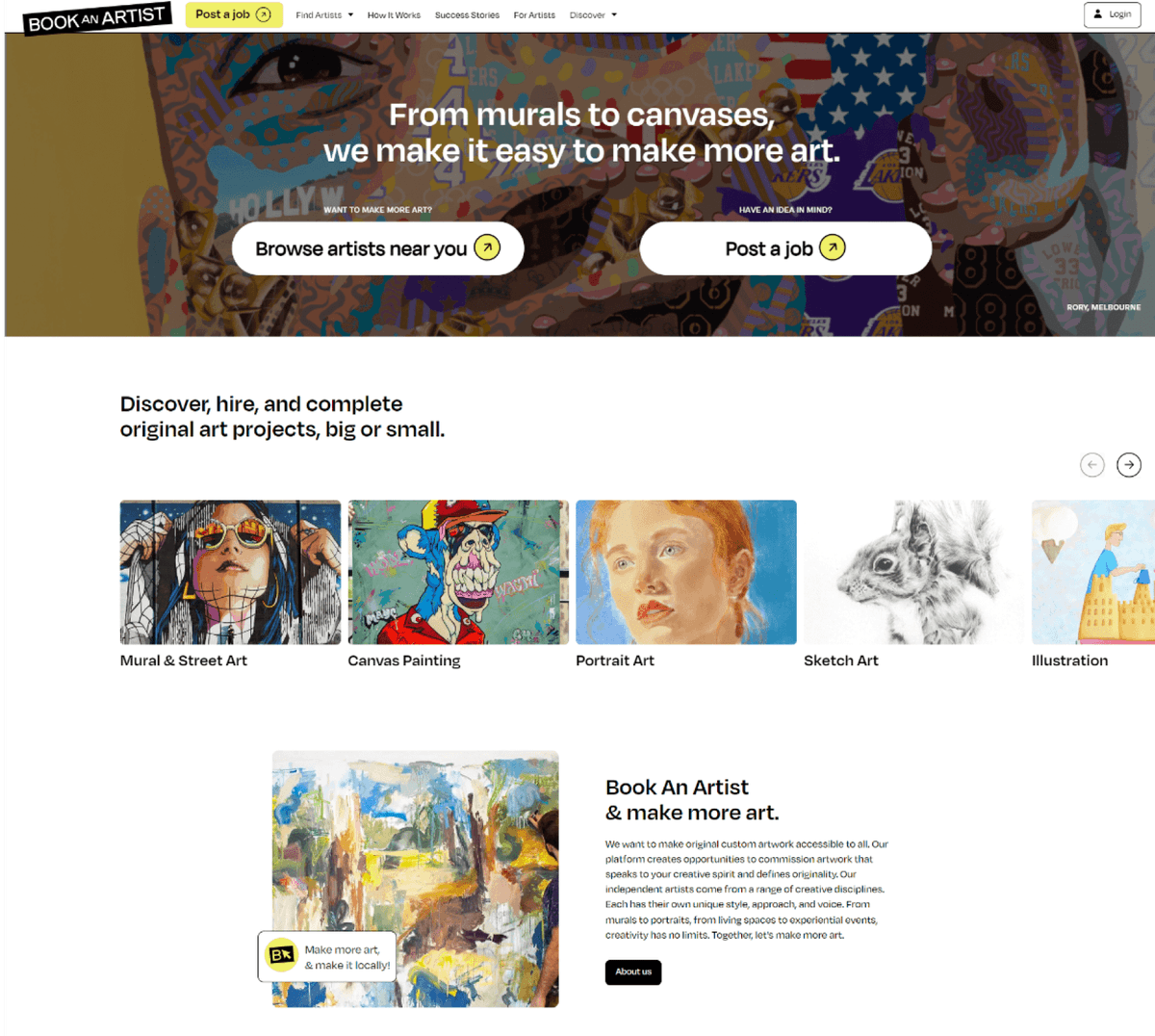
Our Recent Case Studies
Latest notes from the team.
Questions before the call.
Do you only design, or also build?+
We do both. Same team, same process. Design-only engagements deliver Figma files plus handoff specs to your engineers.
What's your design process?+
Four phases: research, wireframes, visual, usability testing. Each phase has clear exit criteria and a deliverable you sign off.
Which design tools do you use?+
Figma for design, FigJam for whiteboarding, Maze/UserTesting for usability, Lottie for motion. We adapt to your team's tools if you have an established stack.
How long does a design project take?+
A focused MVP design: 3-5 weeks. A multi-screen product with a full design system: 8-12 weeks. We'll give you a real date on the call.
Do you handle branding?+
Light branding (palette, type, logo refresh): yes. Full brand identity: we partner with a brand studio. We'll tell you which path your project needs.
Need design
that actually works?
30-min call. We scope your project, give you a fixed price and a date.
Ready to Kick-Off a New Project?
We are committed to providing our clients with the top solutions through global business ventures.
Trusted Clients

" They accepted a huge challenge and exceeded it. We're all better because they did. "
- Bill Crose Founder & CEO, Adyton
" The Leave and Attendance Management project has been a great value for our money. "
- GoPaL Prajapati Chief Project Manager, DB Corp Ltd (Dainik Bhaskar)
" Very Pleased with app development! highly recommended services! "
- Joey Wargachuk App Development
" Highly recommend for web development, apps, e-commerce, database management, etc. very reliable A+++ "
- Tony eCommerce site
" Avkash and his team at iTechNotion have done a great job developing our app and we are pleased enough to continue working with them to develop of our remaining applications. "
- Selwyn IOS app development
" Very good work again. I recommended this great professional and excellent provider. The communication is very good. Is my partner from Portugal and a member that i want in my team of www.toranjadesign.com my company. "
- Amvidigal Android TV Launcher App
" Hired team for few tasks in last 2-3 years. Prompt reply, top notch service and affordable quotes. They even went extra mile to deliver tasks which were not their responsibility. "