Streaming that actually streams—at 50k concurrent.
VOD, live, audio, OTT — the streaming stack we've shipped to 30+ media products. HLS, DASH, LL-HLS, WebRTC. The right protocol for the latency target, not the one that pays our consultants.
- 01

Latency budget by design
HLS for VOD. LL-HLS for low-latency live. WebRTC for sub-second. We pick by the target, not the trend.
- 02

CDN-first architecture
Cloudflare Stream, AWS MediaPackage, Bunny.net. Origin design that doesn't melt at 50k concurrent.
- 03
DRM when needed
FairPlay, Widevine, PlayReady when content rights demand it. We don't add DRM theatre when it's not.
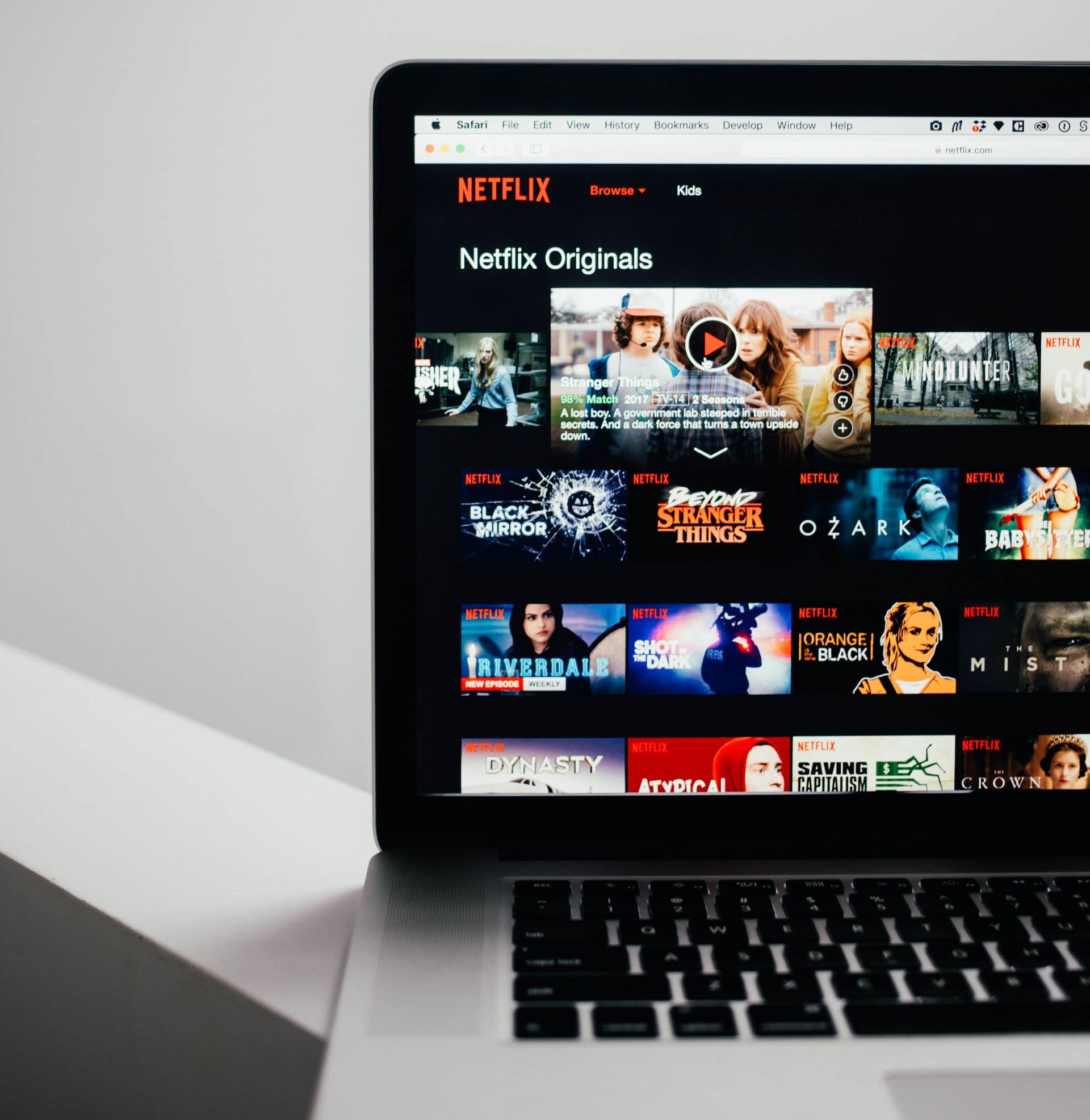
Video on demand
Netflix-style libraries, training platforms, eduvideo. The VOD stack that scales without ops drama.
VOD platforms with transcoding pipelines, adaptive bitrate, CDN delivery, and watch-time analytics.
We've shipped VOD for fitness, education, fan-communities, and corporate training. Bring-your-own-content + AVOD/SVOD/TVOD monetisation.
- 01Adaptive bitrate (HLS / DASH)
- 02Transcoding pipelines (AWS MediaConvert / FFmpeg)
- 03CDN delivery (Cloudflare / CloudFront / Bunny)
- 04Watch-time analytics
- 05AVOD / SVOD / TVOD models
- 06Recommendation engine
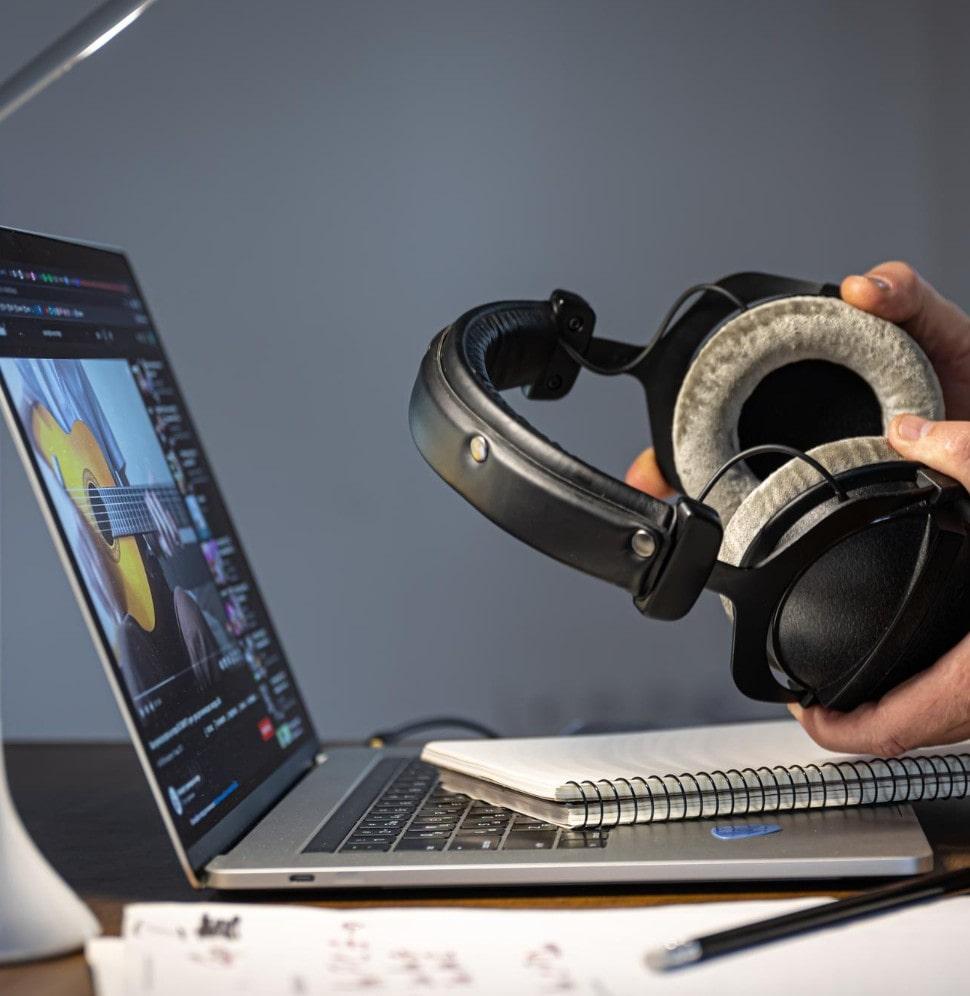
Audio on demand
Podcast platforms, audiobook libraries, audio-first social. The audio stack we built before everyone copied Clubhouse.
Audio platforms with chapter markers, offline downloads, sleep timers, narrator-friendly metadata.
Cheaper bandwidth than video, lower production cost — perfect for content-heavy categories where listening sticks.
- 01Podcast platforms
- 02Audiobook libraries
- 03Chapter markers & bookmarks
- 04Offline downloads
- 05Background playback (iOS / Android)
- 06Voice analytics
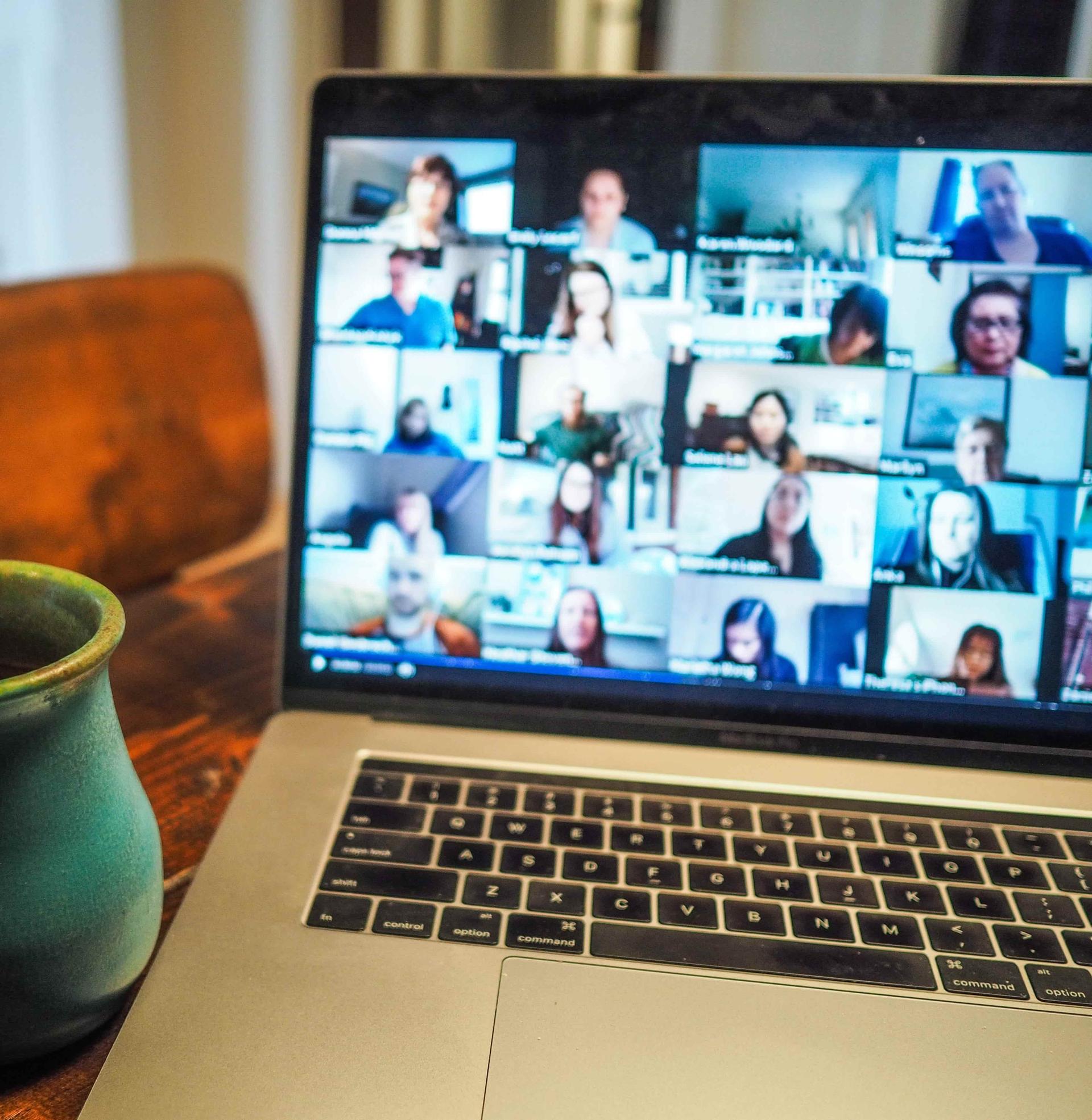
Live video streaming
Sports, events, news, gaming. The live stack from sub-second to standard HLS, by use case.
Sub-second latency: WebRTC for ultra-low. LL-HLS (~2s) for interactive live. Standard HLS (~8–15s) for big-audience broadcast.
Multi-bitrate ingest, ABR ladders, fail-over origins. Chat, reactions, polls. The viewer-side features that drive watch-time.
- 01RTMP / SRT ingest
- 02Multi-bitrate transcoding
- 03LL-HLS for sub-3s latency
- 04WebRTC for sub-second
- 05Chat & reactions overlay
- 06Fail-over origin design
Live audio streaming
Talk shows, internet radio, audio-only sports commentary. The cheap-bandwidth, high-engagement format.
Live audio at 64–128kbps. Multi-presenter, multi-room. Lower CDN costs, higher concurrent ceiling.
Built for sports radio, devotional broadcasters, and topic-driven communities. Plus call-in support via WebRTC.
- 01RTMP audio ingest
- 02HLS audio output
- 03Multi-presenter rooms
- 04Listener call-in (WebRTC)
- 05Chat overlay
- 06Recording & archive
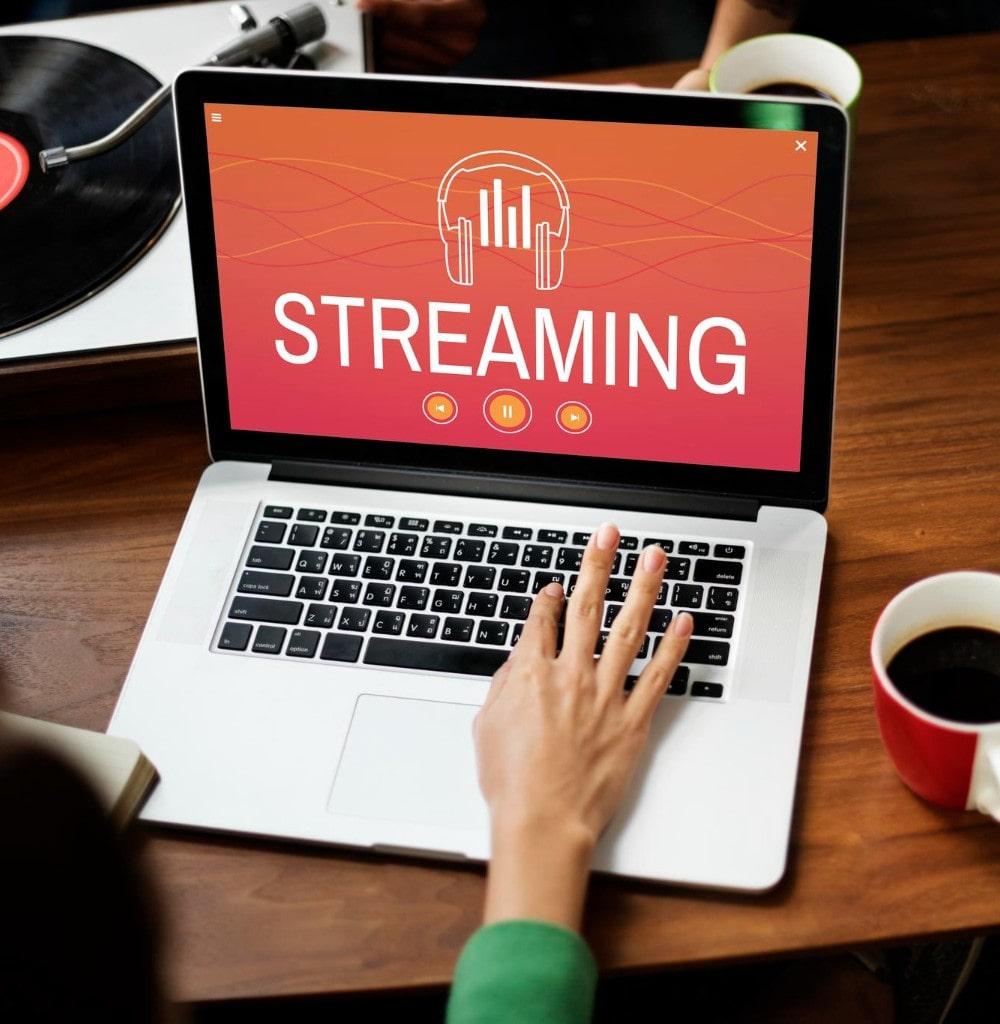
OTT platforms
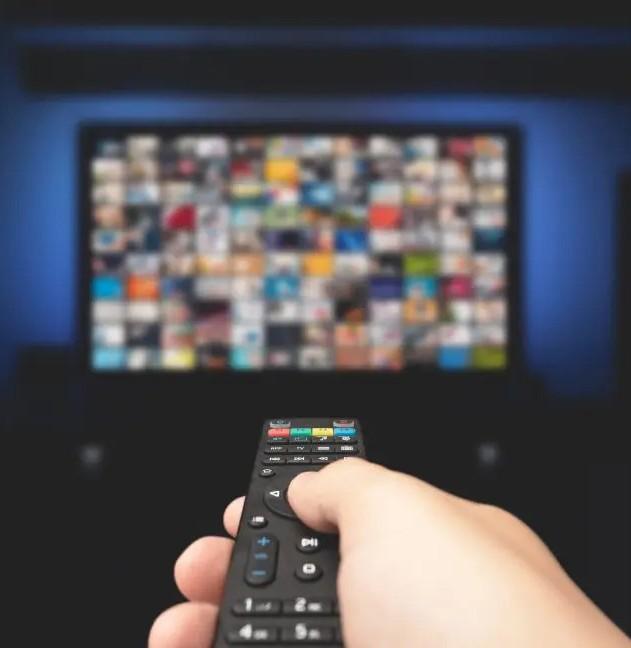
Smart TV apps, Roku channels, Fire TV, Apple TV. The OTT distribution layer that puts your content on the big screen.
Smart TV is where premium content actually gets watched. We ship to Samsung Tizen, LG webOS, Roku, Fire TV, Apple TV, Android TV.
Plus a unified content management backend so your editorial team doesn't have to think about which device they're publishing to.
- 01Samsung Tizen + LG webOS apps
- 02Roku Direct Publisher / SceneGraph
- 03Fire TV / Android TV
- 04Apple TV (tvOS)
- 05Unified CMS backend
- 06Subscription & entitlement APIs
From ingest to viewer.
Discovery
30-min call. Latency target, audience scale, monetisation model.
Architecture
Protocol + CDN + origin design in week one.
Build
Apps + ingest + transcoding pipelines in parallel sprints.
Scale test
Synthetic load to 50k concurrent. Real before launch.
Launch
Phased rollout. Per-device monitoring. QoE metrics live.
Run
Optional retainer. Encoder updates, codec migrations, scaling tweaks.
Reasons streaming clients cite back.
- 01Protocol depth
HLS, DASH, LL-HLS, WebRTC, SRT. We pick by latency target, not by trend.
- 02Scale
50k concurrent benchmark documented. Higher on request with right CDN.
- 03CDN-fluent
Cloudflare Stream, CloudFront, Bunny.net, Mux. We model cost vs feature trade-offs.
- 04DRM-honest
FairPlay, Widevine, PlayReady when rights demand it. Not added as theatre.
- 05Multi-device
Web, iOS, Android, plus Smart TV and Roku. Unified CMS backend.
- 06Analytics
Watch-time, drop-off, rebuffer rate. The metrics that actually predict revenue.
- 07Honest scope
We tell you when WebRTC is overkill. We use HLS when it's enough.
Streaming for industries where viewers wait.
 Media
Media Fintech
 Bank
Bank Startup
 Sport
Sport Agedcare
 Healthcare
 E-commerce
 Travel
 Education
 Fitness
 Real estate
 Pharmaceutical
 Retail
 Logistic
 Industry 4.0
Our Recent Case Studies
Latest notes from the team.
Questions before the call.
VOD or live — which do you do?+
Both. VOD via HLS/DASH + CDN. Live via RTMP/SRT ingest, LL-HLS or WebRTC distribution. We've shipped both at scale.
What's your latency target?+
Depends on the use case. Big-audience broadcast: 8-15s HLS. Interactive live: 2-3s LL-HLS. Real-time (auctions, gaming, dating): sub-second WebRTC.
Which CDNs?+
Cloudflare Stream, AWS CloudFront, Bunny.net, Mux, Fastly. We model cost vs feature trade-offs for your concurrent load and content type.
DRM?+
FairPlay (iOS / Safari), Widevine (Android / Chrome), PlayReady (Edge / Smart TV). We integrate when content rights require it.
How long does a streaming MVP take?+
VOD platform MVP: 8-12 weeks. Live broadcast platform: 12-16 weeks. Multi-device + OTT: 4-6 months.
Got a streaming product
to ship?
30-min call. We pick the protocol, the CDN, the device matrix, the monetisation.
Ready to Kick-Off a New Project?
We are committed to providing our clients with the top solutions through global business ventures.
Trusted Clients

" They accepted a huge challenge and exceeded it. We're all better because they did. "
- Bill Crose Founder & CEO, Adyton
" The Leave and Attendance Management project has been a great value for our money. "
- GoPaL Prajapati Chief Project Manager, DB Corp Ltd (Dainik Bhaskar)
" Very Pleased with app development! highly recommended services! "
- Joey Wargachuk App Development
" Highly recommend for web development, apps, e-commerce, database management, etc. very reliable A+++ "
- Tony eCommerce site
" Avkash and his team at iTechNotion have done a great job developing our app and we are pleased enough to continue working with them to develop of our remaining applications. "
- Selwyn IOS app development
" Very good work again. I recommended this great professional and excellent provider. The communication is very good. Is my partner from Portugal and a member that i want in my team of www.toranjadesign.com my company. "
- Amvidigal Android TV Launcher App
" Hired team for few tasks in last 2-3 years. Prompt reply, top notch service and affordable quotes. They even went extra mile to deliver tasks which were not their responsibility. "